

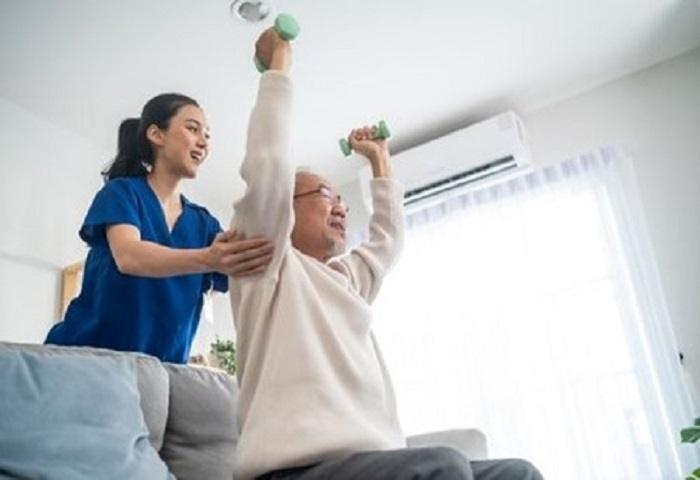
Have you ever wished you could receive high-quality physiotherapy without leaving your home? Do long commutes, busy clinics, or mobility challenges make traditional appointments feel overwhelming? As more people look for flexible and personalized healthcare options, at-home physiotherapy—also known as mobile physiotherapy—is rapidly becoming the preferred choice for rehabilitation and recovery.
What started as a service mainly for those with severe mobility restrictions has expanded into a mainstream, patient-centered model of care. While COVID-19 helped accelerate interest, the rise of in-home physiotherapy reflects a much broader shift in healthcare expectations: people want convenience, individualized treatment, and support that fits seamlessly into their lives.
A More Convenient and Comfortable Experience
One of the strongest drivers behind the popularity of at-home physiotherapy is sheer convenience. Traditional clinic visits require planning, commuting, and often considerable physical effort—especially for patients recovering from surgery, managing pain, or living with mobility challenges.
With mobile care, physiotherapists come directly to the patient’s home, removing logistical barriers and significantly reducing stress. This comfort often leads to better participation in therapy, improved adherence to treatment plans, and a smoother overall recovery experience.
Personalized, One-on-One Care
At-home physiotherapy offers a level of personalization that clinics often struggle to match. Mobile physiotherapists typically dedicate the entire appointment to one patient, allowing more thorough evaluations and treatments. This model also creates opportunities for deeper patient education and real-time adjustments based on the patient’s home environment.
Because therapists can directly observe how patients navigate daily life—walking through hallways, moving from bed to chair, or working at a desk—they can identify hazards or ergonomic issues that may hinder progress. This allows them to deliver supportive mobile physiotherapy that is both tailored and practical, focusing not only on exercises but also on optimizing the patient’s surroundings for safety and comfort.
Better Accessibility for Underserved Populations
Accessibility is another major reason at-home physiotherapy is growing in popularity. For many older adults, individuals with disabilities, people recovering from surgery, or those without reliable transportation, traveling to a clinic can be a major barrier to receiving care.
Mobile physiotherapy eliminates this challenge by bringing treatment directly to the patient. This model is particularly beneficial for:
- Seniors with limited mobility
- People living in rural or remote communities
- Patients recovering from acute injuries
- Individuals relying on caregivers
By making high-quality care easier to access, mobile physiotherapy helps close gaps in service and support healthier, more equitable communities.
Enhanced Focus on Functional Rehabilitation
Another key advantage of at-home physiotherapy is its emphasis on functional rehabilitation. While clinic equipment can be useful, most meaningful activities—such as climbing stairs, getting out of bed, or safely moving around the kitchen—happen at home. Mobile physiotherapy allows therapists to design exercises that reflect real-life movements in the patient’s actual living space.
Examples include:
- Practicing balance in the hallway
- Strength training using household objects
- Rehearsing safe transfers from couch to chair
- Creating fall-prevention strategies specific to the home layout
This practical, environment-based approach helps build confidence and functional independence more quickly than traditional clinic settings.
The Influence of Technology
Advancements in technology have also expanded the capabilities of at-home physiotherapy. Today’s mobile physiotherapists leverage tools such as:
- Remote monitoring devices
- Wearable movement trackers
- Digital exercise programs
- Telehealth follow-ups
These innovations allow for hybrid models of care, where in-person sessions are supported by digital progress tracking and virtual check-ins. Patients benefit from continuous guidance while enjoying the convenience of fewer in-person appointments.
A Growing Preference for Patient-Centered Healthcare
Modern healthcare consumers prioritize flexibility, comfort, and individualized care—values that mobile physiotherapy naturally supports. Patients appreciate:
- Flexible scheduling that fits around work or family
- Privacy in their own home
- Reduced stress from eliminating travel
- Greater consistency in maintaining treatment plans
This patient-first structure leads to higher satisfaction and stronger engagement in the rehabilitation process, which are both essential for long-term results.
A Popular Choice for Post-Surgical and Post-Hospital Care
At-home physiotherapy is especially valuable for post-surgical patients. After procedures such as knee replacements, hip replacements, or spinal surgeries, getting to a clinic can be difficult or unsafe. Mobile physiotherapists provide early intervention, helping patients regain strength and mobility in the comfort of home.
This early, tailored support can:
- Reduce complications
- Improve range of motion
- Minimize pain
- Speed up recovery timelines
Because treatment begins sooner and is adapted to the patient’s environment, outcomes are often more positive and sustainable.
The Future of Physiotherapy Is Mobile
As convenience, personalization, accessibility, and technology continue to shape healthcare expectations, the demand for at-home physiotherapy is only expected to grow. Mobile care delivers a flexible, patient-focused experience that aligns with modern lifestyles—benefiting everyone from busy professionals to seniors seeking independence.
The shift toward at-home physiotherapy represents more than a trend. It marks a fundamental change in how rehabilitation is delivered: moving beyond clinic walls into the everyday environments where patients live, function, and thrive.
As the need for accessible and effective care continues to evolve, mobile physiotherapy is poised to become a cornerstone of the future healthcare landscape.

