

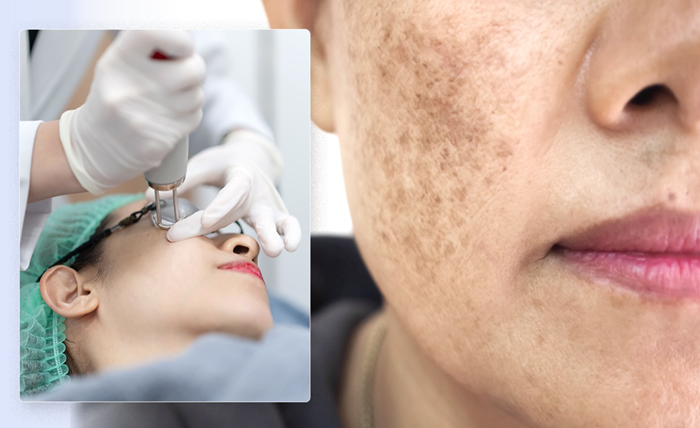
Melasma is a common pigmentation concern in Singapore, largely driven by strong year-round UV exposure, high humidity, heat, and hormonal influences that can all stimulate excess melanin production. Even with professionally administered treatments for melasma removal Singapore, results can vary significantly from person to person, often depending on how well patients maintain their daily skincare and sun protection routines.
In many cases, skincare habits outside the clinic play a crucial role in whether pigmentation improves steadily or returns over time. This is why understanding and avoiding common skincare mistakes is just as important as choosing the right treatment approach. For more information on medical aesthetic care and pigmentation management, you may refer to https://coveaestheticclinic.com.sg/solutions/pico-laser/.
Understanding Melasma And Why It Is Persistent
Melasma is a chronic pigmentation condition caused by the overproduction of melanin in the skin. Unlike simple sun spots or post-inflammatory pigmentation, it tends to involve deeper layers of the skin and is influenced by multiple internal and external triggers. In Singapore, this condition is especially common due to the combination of intense UV radiation, high humidity, and frequent heat exposure, all of which can activate melanocytes and worsen pigmentation over time.
One of the key challenges in managing melasma is its persistent and recurrent nature. Even after visible improvement, the underlying tendency for pigment production remains. This means that without proper maintenance, pigmentation can easily return, especially when triggered by sun exposure, heat, or hormonal fluctuations. As a result, treatments for melasma removal Singapore often focus not only on clearing existing pigmentation but also on long-term control and prevention.
Because melasma is multifactorial, it rarely responds to a single treatment or short-term solution. Effective management typically requires a combination of in-clinic procedures, medical skincare, and strict daily sun protection.
Mistake #1: Inconsistent Sun Protection
One of the most common reasons melasma treatments fail to deliver lasting results is inconsistent or inadequate sun protection. In Singapore’s tropical climate, ultraviolet (UV) radiation is present year-round, and even brief daily exposure can stimulate melanocyte activity, leading to renewed pigmentation. This means that skipping sunscreen or applying it only occasionally can quickly undo the progress achieved through melasma removal Singapore treatments.
Equally important is the fact that melasma is not triggered by UV light alone. Visible light and heat can also contribute to pigmentation, which is often overlooked by patients. Without proper protection, including regular sunscreen reapplication and the use of broad-spectrum formulations, the skin remains vulnerable throughout the day, even when indoors near windows or during short outdoor exposure.
Mistake #2: Overusing Harsh Skincare Products
Another common mistake that can undermine the results of melasma removal Singapore treatments is the overuse of harsh or overly active skincare products. Many patients assume that stronger exfoliants, frequent chemical peels at home, or high-strength active ingredients will speed up pigmentation clearance. However, this approach often leads to skin irritation and inflammation, which can paradoxically worsen melasma.
When the skin barrier is disrupted, it becomes more reactive to environmental triggers such as UV exposure, heat, and even skincare products themselves. This inflammation can stimulate melanocytes, leading to increased melanin production and darker pigmentation. As a result, instead of improving, melasma may appear more stubborn or uneven over time.
A gentler, more consistent skincare approach is usually more effective. Supporting the skin barrier with hydrating, non-irritating products helps reduce inflammation and creates a more stable environment for medical treatments to work.
Mistake #3: Inconsistent Use Of Prescribed Treatments
A frequent reason for suboptimal outcomes in melasma removal Singapore is the inconsistent use of prescribed topical or maintenance treatments. Many patients tend to discontinue their creams or medications once they notice initial improvement, assuming that the condition has been fully resolved. However, melasma is a chronic condition with a strong tendency to recur, even after visible fading.
Medical treatments for melasma often work by regulating melanin production and suppressing underlying pigment activity rather than permanently eliminating the root tendency. This means that stopping treatment too early can allow melanocytes to become reactivated, leading to gradual relapse of pigmentation over time. In some cases, the return of melasma can appear even more stubborn than before.
Consistency is therefore a key part of long-term management. Following the prescribed regimen as advised by a doctor helps maintain results achieved through procedures such as lasers or peels.
Mistake #4: Ignoring Heat And Lifestyle Triggers
Beyond UV exposure, many patients are unaware that heat itself is a significant trigger for melasma. In Singapore’s consistently warm and humid environment, daily activities such as commuting outdoors, exercising, or even prolonged cooking can expose the skin to sustained heat, which may stimulate melanocyte activity and worsen pigmentation over time. This is often overlooked when focusing solely on sun protection.
Certain lifestyle habits can also contribute to flare-ups. High-intensity outdoor workouts, hot yoga, or frequent exposure to steam and high temperatures can all increase skin heat load. Even when sunscreen is applied correctly, these non-UV triggers can still affect the stability of pigmentation, making results from melasma removal Singapore less predictable if not managed properly.
Why Professional Guidance Matters In Melasma Management
Melasma differs in depth, severity, and triggers, so a standard approach is often ineffective. In melasma removal Singapore, treatment must be personalised to balance results with skin safety, especially in a high-UV, high-heat climate like Singapore.
A tailored plan may combine lasers, topical medications, and maintenance skincare depending on the individual’s condition. Without this, patients may experience either limited improvement or unnecessary irritation.
Professional guidance also helps identify and correct daily skincare or lifestyle habits that may hinder progress. With proper medical supervision and consistency, melasma is generally more stable and easier to control long term.
Conclusion
Successful melasma management is not only about in-clinic procedures but also about consistent daily skincare and lifestyle habits. Small mistakes such as poor sun protection, overuse of harsh products, or stopping treatment too early can significantly affect long-term results.
In melasma removal Singapore, sustainable improvement usually comes from a combined approach of medical treatment, maintenance care, and trigger control. If you are struggling with persistent pigmentation or want a tailored plan for melasma removal Singapore, you may book a consultation to discuss suitable treatment options with our clinic, at:
Cove Aesthetic Clinic: Wheelock Place | Dark Eye Circles | Pigmentation | Laser | Ultherapy
Wheelock Place (Orchard)
501 Orchard Rd, #04-07, Singapore 238880
Phone: +65 8129 8877
WhatsApp: +65 8082 0998
https://coveaestheticclinic.com.sg/